
ACCA FA/FFA Foundations in Financial Accounting

About This Course
This online course for Financial Accounting (FA)/FFA introduces the candidate to the fundamentals of the regulatory framework relating to accounts preparation and to the qualitative characteristics of useful information.
The course will then cover drafting financial statements and the principles of accounts preparation. The syllabus then concentrates in depth on recording, processing, and reporting business transactions and events.
The syllabus then covers the use of the trial balance and how to identify and correct errors, and then the preparation of financial statements for incorporated and unincorporated entities.
The syllabus then moves in two directions, firstly requiring candidates to be able to conduct a basic interpretation of financial statements; and secondly requiring the preparation of simple consolidated financial statements from the individual financial statements of group incorporated entities.
Learning Objectives
Material Includes
- Online Notes
- Online Quizzes
- Assignments
- Videos and Downloads
Requirements
- Must be registered with the ACCA as a student
- Must have been registered either on the professional route (ACCA) or on FIA route
- Good Mathematical and English Skills preferably at over 50% in O'Level/ Grade 12
- This course is assessed by the ACCA. All learners in this course must register with ACCA and keep their subscriptions up to date in order to undertake exams. Exams and subscriptions are not taken on this site. please visit www.accaglobal.com for information on membership, exams and qualifications.
Target Audience
- Junior Accountants, Clerks and Cost Accountants
- High School Leavers aspiring to be accountants
- Working bookkeepers who needs to learn how to keep records
Curriculum
Syllabus A: The context and purpose of financial reporting
1. The scope and purpose of financial statements for external reporting
2. Users’ and stakeholders’ needs
3. The main elements of financial reports
4. The regulatory framework (legislation and regulation, reasons and limitations, relevance of accounting standards)
5. Duties and responsibilities of those charged with governance.
Syllabus B: The qualitative characteristics of financial information
1. The qualitative characteristics of financial information
Syllabus C: The use of double-entry and accounting systems
1. Double-entry book-keeping principles including the maintenance of accounting records and sources of accounting information
2. Ledger accounts, books of prime entry, and journals
Syllabus D: Recording transactions and events
1. Sales and purchases
2. Cash
3. Inventory
4. Tangible non-current assets
5. Depreciation
6. Intangible non-current assets and amortisation
7. Accruals and prepayments
8. Receivables and payables
9. Provisions and contingencies
10. Capital structure and finance costs
Syllabus E: Preparing a trial balance
1. Trial balance
2. Correction of errors
3. Control accounts and reconciliations
4. Bank reconciliations
5. Suspense accounts
Syllabus F: Preparing basic financial statements
1. Statements of financial position
2. Statements of profit or loss and other comprehensive income
3. Disclosure notes
4 Events after the reporting period
5. Statements of cash flows
6. Incomplete records
Syllabus G: Preparing simple consolidated financial statements
1. Subsidiaries
2. Associates
Syllabus H: Interpretation of financial statements
1. Importance and purpose of analysis of financial statements
2. Ratios
3. Analysis of financial statements
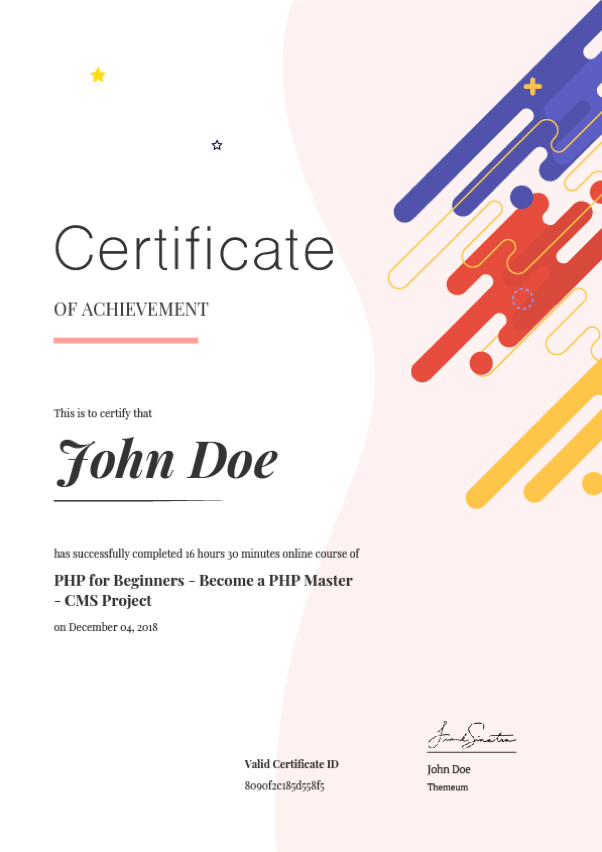
Earn a certificate
Add this certificate to your resume to demonstrate your skills & increase your chances of getting noticed.
Your Instructors


Menega Meinerts

R1,200.00
Material Includes
- Online Notes
- Online Quizzes
- Assignments
- Videos and Downloads


 Login with Google