

About This Course
The aim of the syllabus is to develop knowledge and skills relating to the tax system as applicable to individuals, single companies, and groups of companies.
The syllabus for Taxation – United Kingdom (TX-UK) introduces candidates to the subject of taxation and provides the core knowledge of the underlying principles and major technical areas of taxation as they affect the activities of individuals and businesses.
Candidates are introduced to the rationale behind – and the functions of – the tax system. The syllabus then considers the separate taxes that an accountant would need to have a detailed knowledge of, such as income tax from self-employment, employment and investments, the corporation tax liability of individual companies and groups of companies, the national insurance contribution liabilities of both employed and self-employed persons, the value added tax liability of businesses, the chargeable gains arising on disposals of investments by both individuals and companies, and the inheritance tax liabilities arising on chargeable lifetime transfers and on death.
Having covered the core areas of the basic taxes, candidates should be able to compute tax liabilities, explain the basis of their calculations, apply tax planning techniques for individuals and companies and identify the compliance issues for each major tax through a variety of business and personal scenarios and situations.
Section G of the syllabus contains outcomes relating to the demonstration of appropriate digital and employability skills in preparing for and taking the examination. This includes being able to interact with different question item types, manage information presented in digital format and being able to use the relevant functionality and technology to prepare and present response options in a professional manner.
These skills are specifically developed by practicing and preparing for the exam, using the learning support content for computer-based exams available via the practice platform and the ACCA website and will need to be demonstrated during the live exam.
Learning Objectives
Material Includes
- Online Notes
- Online Quizzes
- Assignments
- Videos and Downloads
Requirements
- Must be registered with the ACCA as a student
- Must have been registered either on the professional route (ACCA) or passed FBT, FMA and FFA if enrolled on the FIA route
- Good Mathematical and English Skills preferably at over 50% in O'Level/ Grade 12
- NB:This course is assessed by the ACCA. All learners in this course must register with ACCA and keep their subscriptions up to date in order to undertake exams. Exams and subscriptions are not taken on this site. Please visit www.accaglobal.com for information on membership, exams and qualifications.
Target Audience
- Junior Bookkeepers who want to become Accountants
- Accountants who want to gain more in professional recognition
- Holders of other Accounting Diplomas and Non-Accounting Degrees
- Pathway to Membership of ACCA
Curriculum
Syllabus A: The UK tax system and its administration
1. The overall function and purpose of taxation in a modern economy
2. Principal sources of revenue law and practice
3. The systems for self-assessment and the making of returns
4. The time limits for the submission of information, claims and payment of tax, including payments on account
5. The procedures relating to compliance checks, appeals and disputes
6. Penalties for non-compliance
Syllabus B: Income tax and NIC liabilities
1. The scope of income tax
2. Income from employment
3. Income from self-employment
4. Property and investment income
5. The comprehensive computation of taxable income and income tax liability
6. National insurance contributions for employed and self-employed persons
7. The use of exemptions and reliefs in deferring and minimising income tax liabilities
Syllabus C: Chargeable gains for individuals
1. The scope of the taxation of capital gains
2. The basic principles of computing gains and losses
3. Gains and losses on the disposal of movable and immovable property
4. Gains and losses on the disposal of shares and securities
5. The computation of capital gains tax
6. The use of exemptions and reliefs in deferring and minimising tax liabilities arising on the disposal of capital assets
Syllabus D: Inheritance tax
1. The basic principles of computing transfers of value
2. The liabilities arising on chargeable lifetime transfers and on the death of an individual
3. The use of exemptions in deferring and minimising inheritance tax liabilities
4. Payment of inheritance tax
Syllabus E: Corporation tax liabilities
1. The scope of corporation tax
2. Taxable total profits
3. Chargeable gains for companies
4. The comprehensive computation of corporation tax liability
5. The effect of a group corporate structure for corporation tax purposes
6. The use of exemptions and reliefs in deferring and minimising corporation tax liabilities
Syllabus F: Value added tax (VAT)
1. The VAT registration requirements
2. The computation of VAT liabilities
3. The effect of special schemes
Syllabus G: Employability and technology skills
1. Use computer technology to efficiently access and manipulate relevant information.
2. Work on relevant response options, using available functions and technology, as would be required in the workplace.
3. Navigate windows and computer screens to create and amend responses to exam requirements, using the appropriate tools.
4. Present data and information effectively using the appropriate tools.
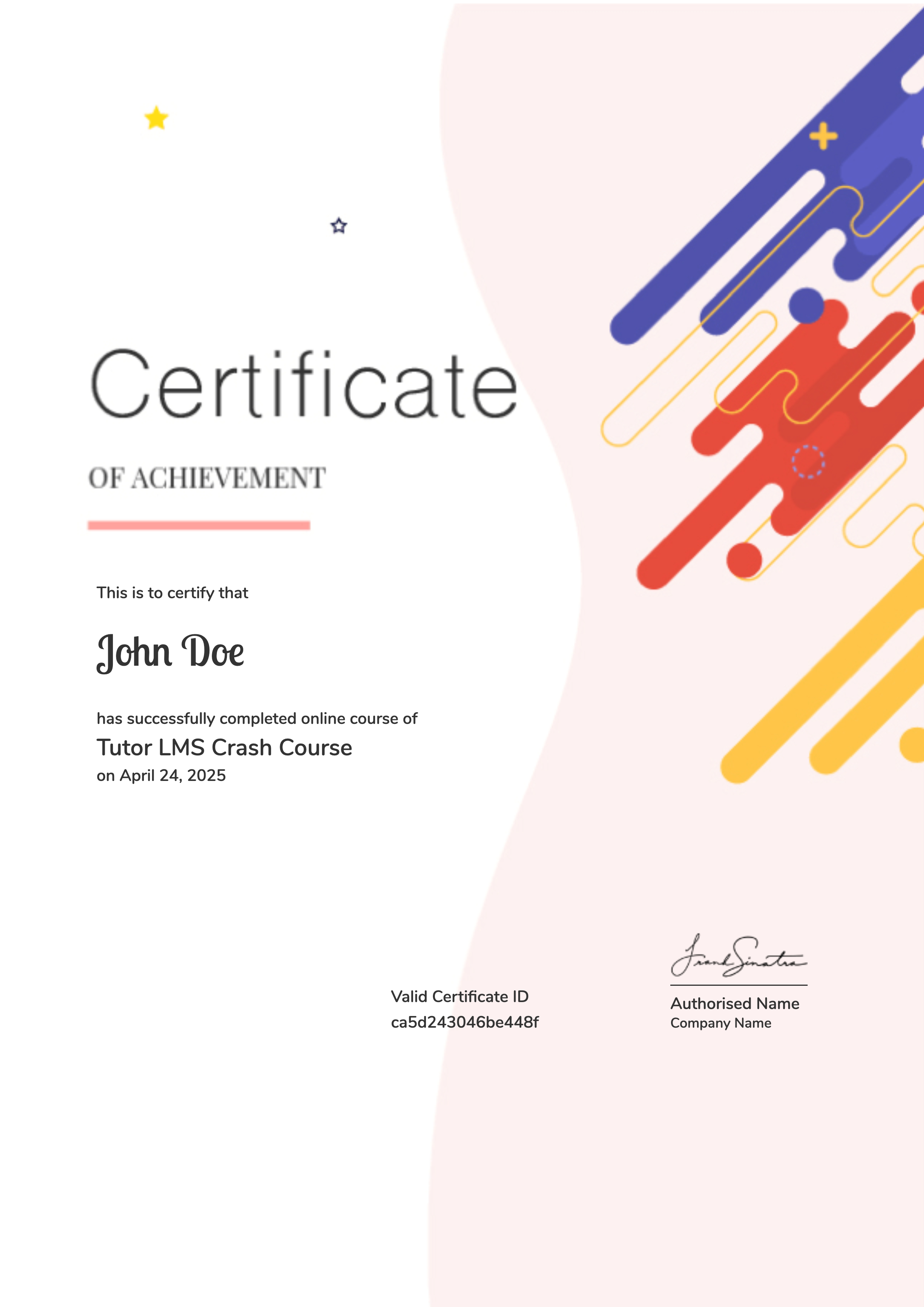
Earn a certificate
Add this certificate to your resume to demonstrate your skills & increase your chances of getting noticed.
Your Instructors


R1,200.00
Material Includes
- Online Notes
- Online Quizzes
- Assignments
- Videos and Downloads


 Login with Google