

About This Course
The aim of this course is to develop knowledge and skills in the application of management accounting techniques to quantitative and qualitative information for planning, decision-making, performance evaluation, and control.
The syllabus for Performance Management (PM), builds on the knowledge gained in Management Accounting (FMA/MA) and seeks to examine candidates’ understanding of how to manage the performance of a business.
It also prepares candidates for more specialist capabilities which are covered in Advanced Performance Management (APM).
Learning Objectives
On successful completion of this exam, candidates should be able to:
Identify and discuss the information, systems and developments in technology required for organisations to manage and measure performance.
Explain and apply cost accounting techniques.
Select and appropriately apply decision-making techniques to facilitate business decisions and promote efficient and effective use of scarce business resources, appreciating the risks and uncertainty inherent in business and controlling those risks.
Identify and apply appropriate budgeting techniques and methods for planning and control and use standard costing systems to measure and control business performance and to identify remedial action.
Assess the performance of an organisation from both a financial and non-financial viewpoint, appreciating the problems of controlling divisionalised businesses and the importance of allowing for external aspects.
Demonstrate required employability and technology skills.
Material Includes
- Online Notes
- Online Quizzes
- Assignments
- Videos and Downloads
Requirements
- Must be registered with the ACCA as a student
- Must have been registered either on the professional route (ACCA) or passed FBT, FMA and FFA if enrolled on the FIA route
- Good Mathematical and English Skills preferably at over 50% in O'Level/ Grade 12
- NB:This course is assessed by the ACCA. All learners in this course must register with ACCA and keep their subscriptions up to date in order to undertake exams. Exams and subscriptions are not taken on this site. Please visit www.accaglobal.com for information on membership, exams and qualifications.
Target Audience
- Junior Bookkeepers who want to become Accountants
- Accountants who want to gain more in professional recognition
- Holders of other Accounting Diplomas and Non-Accounting Degrees
- Pathway to Membership of ACCA
Curriculum
40h
Syllabus A: Information, technologies and systems for organisational performance
By the end of this topic, you will have learnt about:
1. Managing information
2. Sources of information
3. Information systems and data analytics
1. Managing information
2. Sources of information
3. Information systems and data analytics
Syllabus B: Specialist cost and management accounting techniques
By the end of this topic, you will have learnt about:
1. Activity-based costing
2. Target costing
3. Life-cycle costing
4. Throughput accounting 5. Environmental accounting
1. Activity-based costing
2. Target costing
3. Life-cycle costing
4. Throughput accounting 5. Environmental accounting
Syllabus C: Decision-making techniques
By the end of this topic, you will have learnt about:
1. Relevant cost analysis
2. Cost volume profit analysis
3. Limiting factors
4. Pricing decisions
5. Make-or-buy and other short-term decisions
6. Dealing with risk and uncertainty in decision-making
1. Relevant cost analysis
2. Cost volume profit analysis
3. Limiting factors
4. Pricing decisions
5. Make-or-buy and other short-term decisions
6. Dealing with risk and uncertainty in decision-making
Syllabus D: Budgeting and control
By the end of this topic, you will have learnt about:
1. Budgetary systems and types of budget
2. Quantitative techniques
3. Standard costing
4. Material mix and yield variances
5. Sales mix and quantity variances
6. Planning and operational variances
7. Performance analysis
1. Budgetary systems and types of budget
2. Quantitative techniques
3. Standard costing
4. Material mix and yield variances
5. Sales mix and quantity variances
6. Planning and operational variances
7. Performance analysis
Syllabus E: Performance measurement and control
By the end of this topic, you will have learnt about:
1. Performance analysis in private sector organisations
2. Divisional performance and transfer pricing
3. Performance analysis in not-for-profit organisations and the public sector
4. External considerations and the impact on performance
1. Performance analysis in private sector organisations
2. Divisional performance and transfer pricing
3. Performance analysis in not-for-profit organisations and the public sector
4. External considerations and the impact on performance
Syllabus F: Employability and technology skills
By the end of this topic, you will have learnt about:
1. Use computer technology to efficiently access and manipulate relevant information.
2. Work on relevant response options, using available functions and technology, as would be required in the workplace.
3. Navigate windows and computer screens to create and amend responses to exam requirements, using the appropriate tools.
4. Present data and information effectively, using the appropriate tools.
1. Use computer technology to efficiently access and manipulate relevant information.
2. Work on relevant response options, using available functions and technology, as would be required in the workplace.
3. Navigate windows and computer screens to create and amend responses to exam requirements, using the appropriate tools.
4. Present data and information effectively, using the appropriate tools.
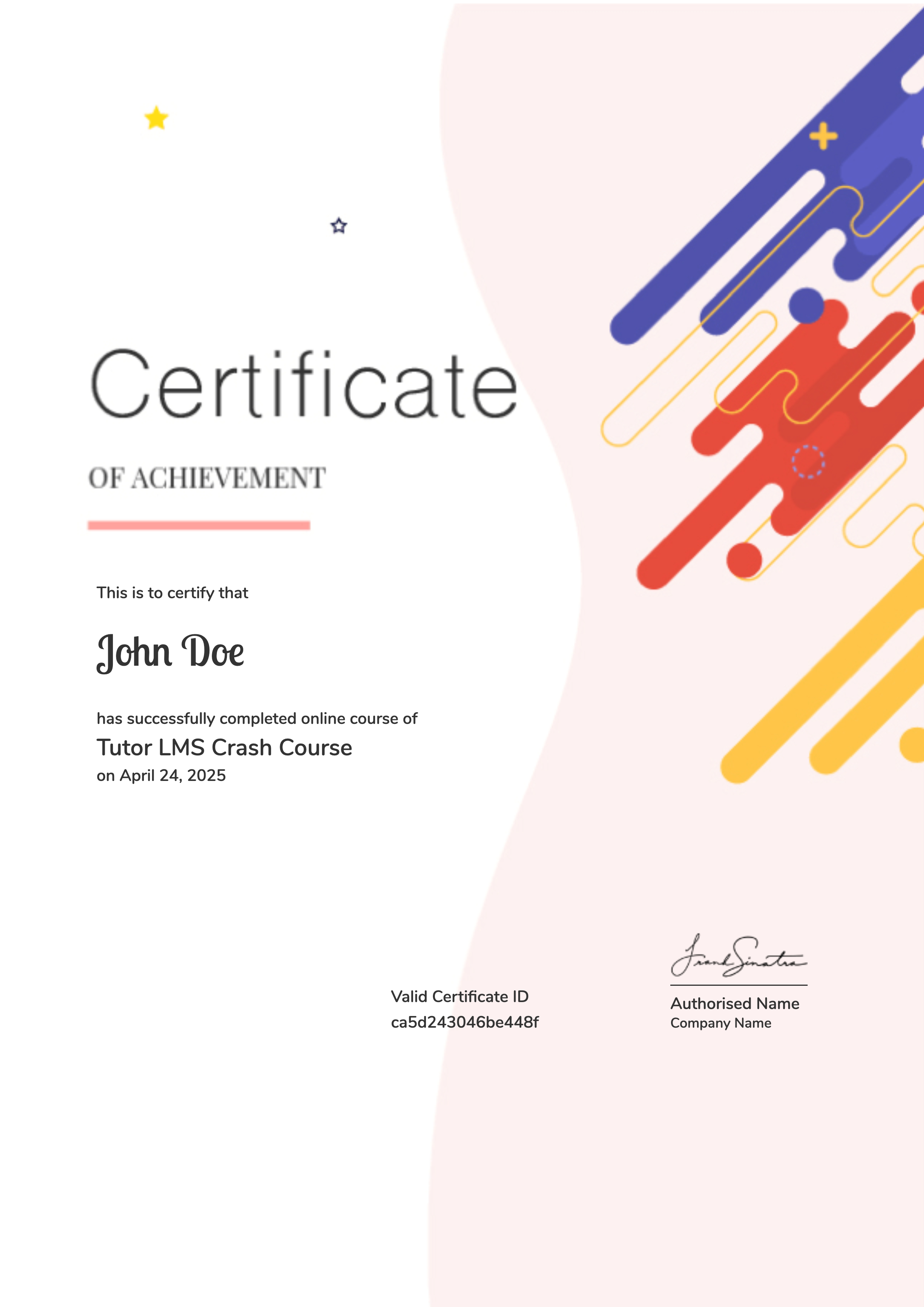
Earn a certificate
Add this certificate to your resume to demonstrate your skills & increase your chances of getting noticed.
Your Instructors


R1,200.00
Material Includes
- Online Notes
- Online Quizzes
- Assignments
- Videos and Downloads


 Login with Google