

About This Course
What do you learn in P1?
- Why costing is done and what it is used for, including appropriate costing methods and techniques and where digital costing might be used.
- How budgets are prepared and implemented across the organisation, the impact these have, and how techniques are applied to ensure sound short term decision making, against a backdrop of risk and uncertainty, by using appropriate risk management tools.
What do you learn at Operational Level?
The Operational level focuses on short term decision making. You’ll be able to work with others in your organisation and use appropriate data and technology to translate medium term decisions into short term actionable plans.
Part – Qualified designatory letters CIMA Dip MA
After successfully completing the level, you are awarded with the part-qualified designatory letters ‘CIMA Dip MA’ and are ready to embark upon your Management Level journey.
Learning Objectives
By passing the CIMA Operational level, you will gain the CIMA Diploma in Management Accounting
Operational level is the first level of the CIMA Professional Qualification and consists of three subject areas.
What do you learn at Operational Level?
The Operational level focuses on short term decision making. You’ll be able to work with others in your organisation and use appropriate data and technology to translate medium term decisions into short term actionable plans.
Part – Qualified designatory letters CIMA Dip MA
After successfully completing the level, you are awarded with the part-qualified designatory letters ‘CIMA Dip MA’ and are ready to embark upon your Management Level journey.
Material Includes
- -Online Notes
- -Quizzes
- -Questions and Answers Online
Requirements
- Must be registered with CIMA
- Must have passed or been exempted from the CIMA Certificate in Business Accounting
Target Audience
- Middle level accountants
- Graduates
- Professional Accountants at Technician Level who want to have upward mobility in their career
Curriculum
22h
Syllabus P1-A: Cost accounting for decision and control
By the end of this topic, you will be able to:
1. Distinguish between the different rationales for costing.
2. Apply the main costing concepts to organisations and cost objects.
3. Apply costing methods to determine the costs for different purposes.
1. Distinguish between the different rationales for costing.
2. Apply the main costing concepts to organisations and cost objects.
3. Apply costing methods to determine the costs for different purposes.
Syllabus P1-B: Budgeting and budgetary control
By the end of this topic you will be able to:
1. Distinguish between the different rationales for budgeting.
2. Prepare budgets.
3. Discuss budgetary control.
1. Distinguish between the different rationales for budgeting.
2. Prepare budgets.
3. Discuss budgetary control.
Syllabus P1-C: Short-term commercial decision-making
By the end of this topic, you will be able to:
1. Describe the main types of short-term decisions made by organisations.
2. Explain the underlying concepts used for short-term decision-making.
3. Apply appropriate techniques to support short-term decisions.
1. Describe the main types of short-term decisions made by organisations.
2. Explain the underlying concepts used for short-term decision-making.
3. Apply appropriate techniques to support short-term decisions.
Syllabus P1-D: Risk and uncertainty in the short term
By the end of this topic, you will be able to:
1. Apply basic risk management tools in the short term.
1. Apply basic risk management tools in the short term.
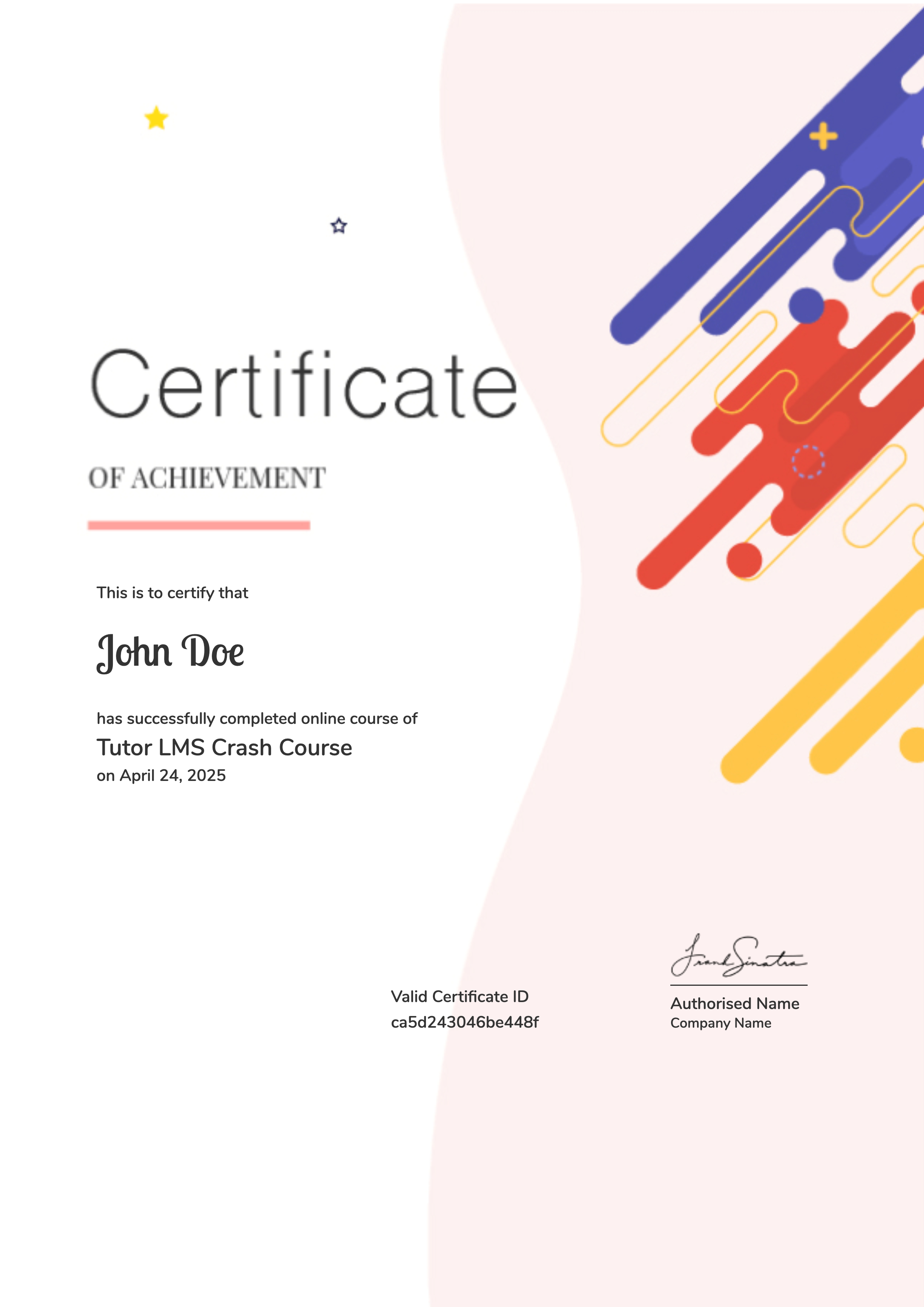
Earn a certificate
Add this certificate to your resume to demonstrate your skills & increase your chances of getting noticed.
Your Instructors

R1,200.00
Material Includes
- -Online Notes
- -Quizzes
- -Questions and Answers Online

ACCA TX-UK Taxation (UK Variant)
R1,200.00

CIMA Strategic Level Case Study
R1,500.00

CIMA F3 Financial Strategy
R1,500.00

 Login with Google