

About This Course
What do you learn in P2?
- How to use cost management, quality and process management and value management to provide organisations with cost advantage.
- The criteria, process and techniques that are used to decide which projects to undertake, how to manage the performance of organisational units to ensure that they achieve their objectives.
- How to analyse risks and uncertainties that organisations face in the medium term, especially capital investment decision making, and managing those risks in the implementation of such decisions.
CIMA Management level
By passing the level, you will gain the CIMA Advanced Diploma in Management Accounting
Management level is the second level of the CIMA Professional Qualification and consists three subject areas.
What do you learn at Management Level?
The Management level focuses on translating long term decisions into medium term plans. You’ll be able to use data and relevant technology to manage organisational and individual performance, allocate resources to implement decisions; monitor and report implementation of decisions; as well as prepare and interpret financial statements to highlight business performance.
Part – Qualified designatory letters CIMA Adv Dip MA
After passing all four exams, you are awarded with the part-qualified designatory letters ‘CIMA Adv Dip MA’ and are ready to embark upon your Strategic Level journey.
Learning Objectives
Material Includes
- Online Study Materials
- Quizzes
- Questions and Answers
Requirements
- Must have been registered with CIMA as a student
- Must have passed the CIMA Certificate and CIMA Diploma or have been awarded exemptions by the CIMA professional body
Target Audience
- Middle Level Managers
- Accountants
- Bookkeepers
- Accounting Graduates
- MBA holders
Curriculum
Syllabus P2-A: Managing the costs of creating value
1. Apply cost management and cost transformation methodology to manage costs and improve profitability
2. Compare and contrast quality management methodologies.
3. Apply value management techniques to manage costs and improve value creation.
Syllabus P2-B: Capital investment decision-making
1. Apply the data required for decision-making.
2. Explain the steps and pertinent issues in the decision-making process.
3. Apply investment appraisal techniques to evaluate different projects.
4. Discuss pricing strategies.
Syllabus P2-C: Managing and controlling the performance of organisational units
1. Analyse the performance of responsibility centres and prepare reports.
2. Discuss various approaches to the performance and control of organisations.
3. Explain the behavioural and transfer pricing issues related to the management of responsibility centres.
Syllabus P2-D: Risk and control
1. Analyse risk and uncertainty associated with medium-term decision-making.
2. Analyse types of risk in the medium term.
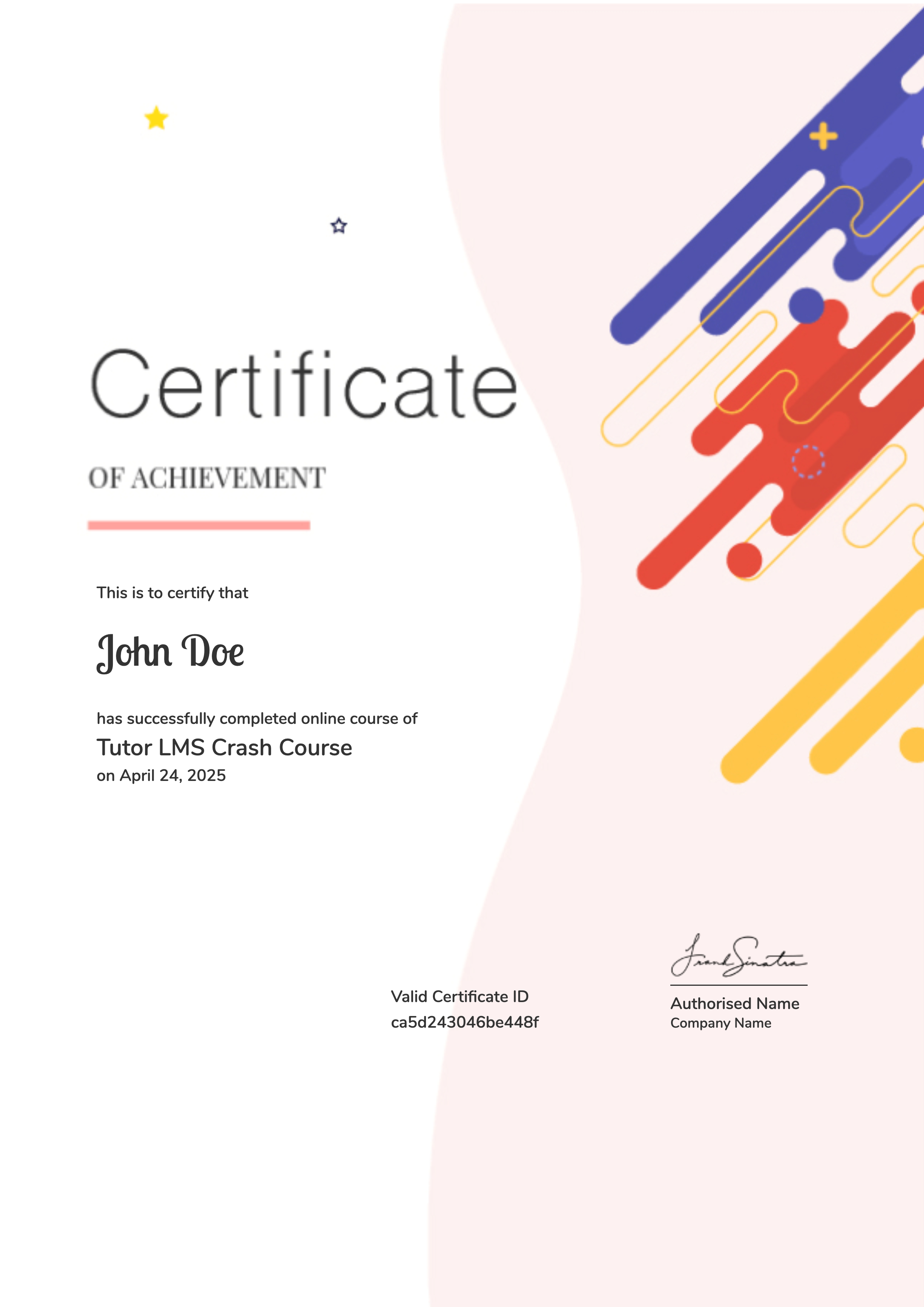
Earn a certificate
Add this certificate to your resume to demonstrate your skills & increase your chances of getting noticed.
Your Instructors


R1,200.00
Material Includes
- Online Study Materials
- Quizzes
- Questions and Answers

ACCA TX-UK Taxation (UK Variant)
R1,200.00

CIMA Strategic Level Case Study
R1,500.00

CIMA F3 Financial Strategy
R1,500.00

 Login with Google